

TUPAN & the Safir/ZENIQ Ecosystem: Anatomy of a Failed Token Project
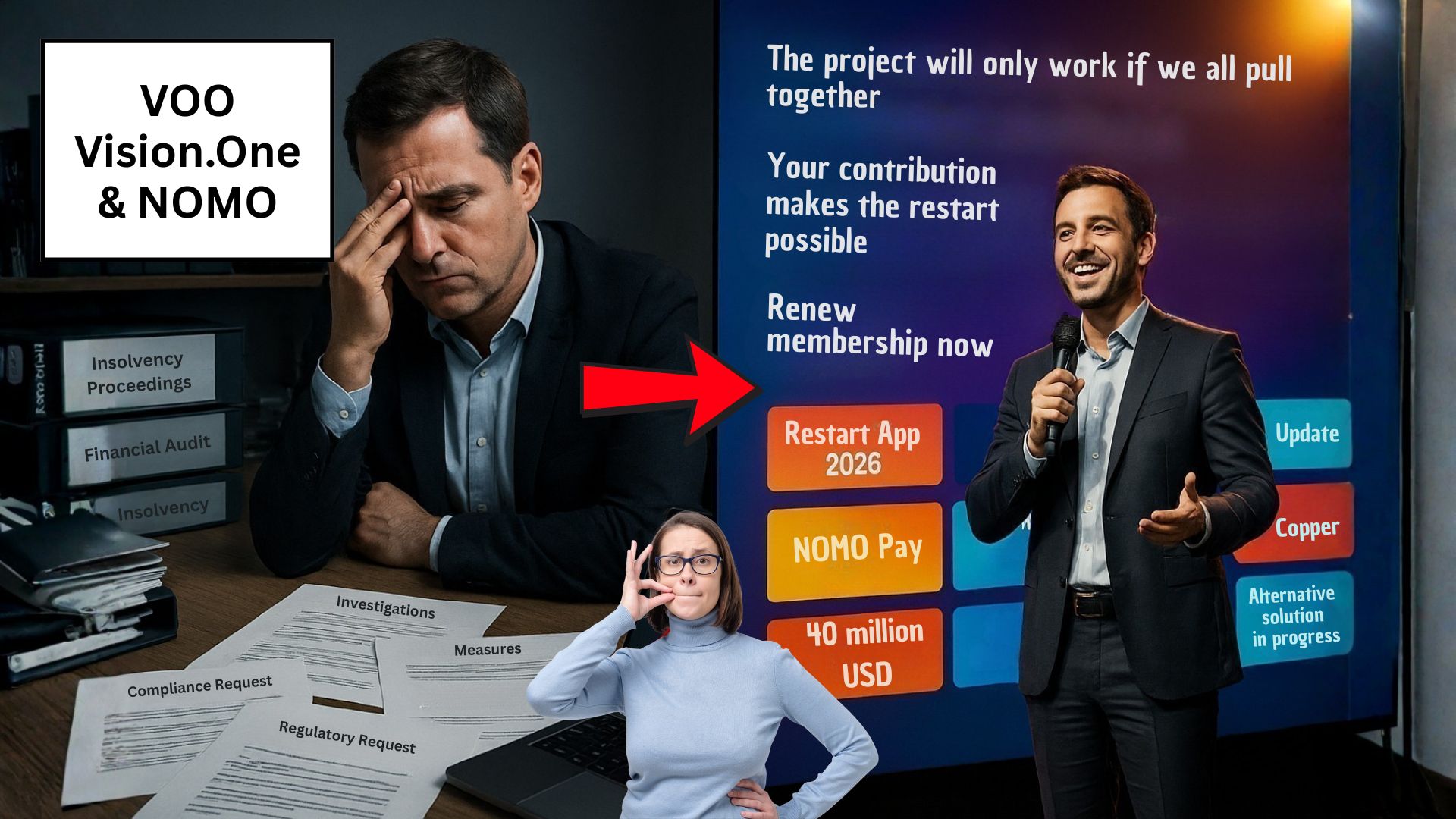
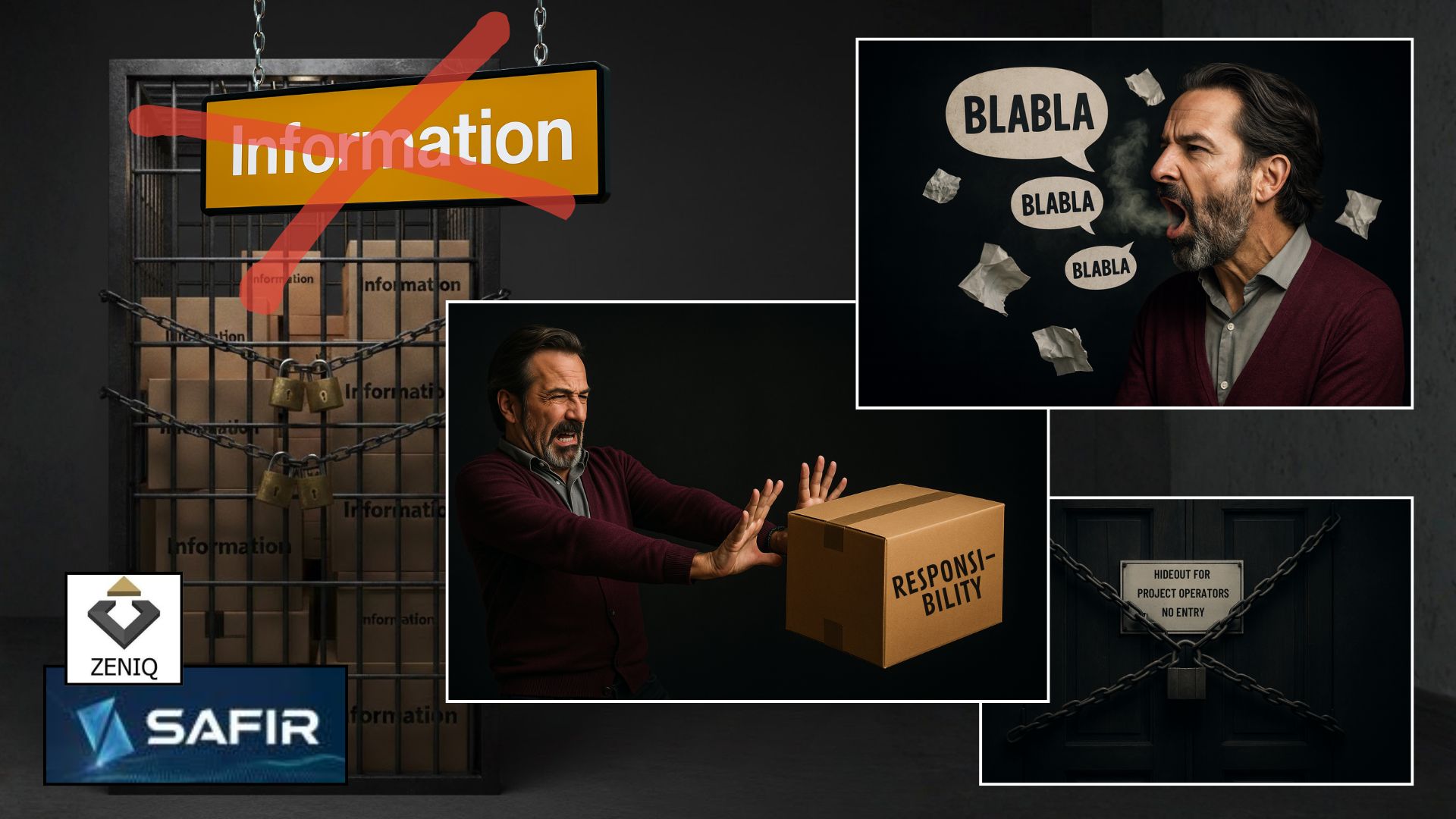
As already reported, in the most recent Safir/ZENIQ update call Gernot Winter sought to draw a clear dividing line: Safir, ZENIQ, and their successor platforms had – much like Amazon – functioned merely as “marketplaces”; responsibility had always rested with independent “product owners.” There had been no investments, only product purchases – and therefore no liability.
The TUPAN Token: A Case Study in Crypto Scams?
Winter’s remarks are highly instructive because they reveal the modus operandi of a crypto-scam system. There is likely no better example than the TUPAN token, which Winter himself described as the “most difficult product” in the entire ecosystem.
At its inception, TUPAN was one of the most prominent token projects within the Safir/ZENIQ ecosystem and was marketed through the corresponding distribution channels. It was promoted as a blockchain-based solution to support sustainable development and environmental protection projects with real impact. Before long, however, the individuals originally responsible were no longer reachable, and within the ZENIQ ecosystem the project soon came to be regarded as a failure. By the way: Meenwhile, it seems to have been re-activated outside the ZENIQ ecosystem: https://tupan.io/

Vouchers Instead of Payouts: The Quiet Wind-Down of the TUPAN Collapse
Another detail from the call with Gernot Winter and his co-host Irma Okanovic illustrates how TUPAN was effectively wound down at the time – without openly communicating this as a failure. According to Okanovic, vouchers for TUPAN hubs were issued to enable an exchange for NOMO hubs – and the TUPAN token can allegedly still be exchanged today for ZENIQ or AVINOC tokens. Winter characterizes this, in essence, as a form of “compensation” that has already taken place.
Yet at this point, he contradicts himself: How can an allegedly independent impact project retroactively be exchanged between supposedly independent products within the same ecosystem? And why are investors permitted, in this exchange transaction, to swap tokens – but receive no external capital, no real value creation, and no continuation of the project?
In other words: the project disappears – the damage remains within the system.
The Structural Problem of Product Ownership in the Safir/ZENIQ Ecosystem
TUPAN is not an isolated case, but rather a textbook example of the fundamental problem of the Safir/ZENIQ system: projects are aggressively marketed via a central distribution platform, while responsibility is formally outsourced to “product owners.” As soon as problems arise, reference is made precisely to this external responsibility, and in the end users receive vouchers, exchange options, or new tokens – but no clarity.

According to Winter, the TUPAN owner, Oderli Feriani, is today active in Italy under another name and is facing serious issues with the Brazilian judiciary. Winter explicitly speaks of “serious financial fraud offenses” and of “someone who pursued a particular strategy.” That Winter now portrays TUPAN as particularly “difficult” and places such strong emphasis on Oderli’s alleged criminality appears less like genuine clarification and more like a belated distancing from a former associate. An attentive observer among our ranks is reminded here of an old proverb of those who live in glass houses…
Safir/ZENIQ Ecosystem: A Marketplace – But Please Without Liability
The TUPAN case exemplifies what happens when platforms aggressively market projects but subsequently retreat into the role of a neutral marketplace. While Winter now emphasizes that the initiators of Safir/ZENIQ were not responsible for any of this, affected users are left with token exchange solutions, voucher models with little prospect of success, and unresolved questions. TUPAN token is therefore less an outlier – and more a symptom of a system in which responsibility always ends precisely where it should begin.
Note
This article is a journalistic analysis. It is based on publicly available sources. It is not a legal assessment or financial advice. All assessments have been researched to the best of our knowledge and are marked as opinions within the meaning of Art. 10 ECHR / Art. 5 GG. Counterstatements will be taken into account in accordance with § 56 RStV.
Sources
- “Support Old Safir Community” Telegram Group
- Complete Recording of the Call from 7. December 2025 (Winter/Okanovic)
- Own Verification (Editorial Team): data, domain/company check, backup of the call and all relevant screenshots.







Leave a Reply
Want to join the discussion?Feel free to contribute!