

Backdated or legal? Dispute over service agreement puts Safir.com in a tight spot
A potential economic conflict with criminal implications is brewing in connection with the Safir.com crypto project, which is now once again occupying the Austrian judiciary. At the centre of the dispute is a controversial ‘service agreement’ (SA) which, according to several plaintiffs, was backdated in a project worth millions. The document plays a key role in a dispute over property rights, customer data and hundreds of millions of euros in the international crypto business.
The allegations are based on submissions made to the Vienna Regional Court for Criminal Matters, which are available to our editorial team in full. In these submissions, the plaintiffs make serious allegations against several former business partners and against the Public Prosecutor’s Office for Economic Affairs and Corruption (WKStA). The WKStA is accused of failing to conduct key investigations and of not yet having examined important evidence. The authority is said to have classified the case as a civil dispute and not to have identified sufficient initial suspicion for criminal proceedings.
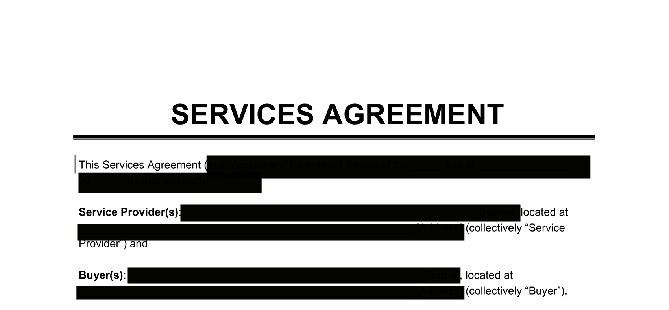
According to the plaintiffs, the service agreement governing the operation of Safir.com was not drawn up until autumn 2022, but was backdated to June 2021. In their view, it served to systematically push them out of the project and give other parties control over the platform, customer data and revenues. As evidence, they cite documents, emails and archived web pages that they claim show that their company was originally the owner of the technology and operator of the sales platform.
Technical links to ZENIQ
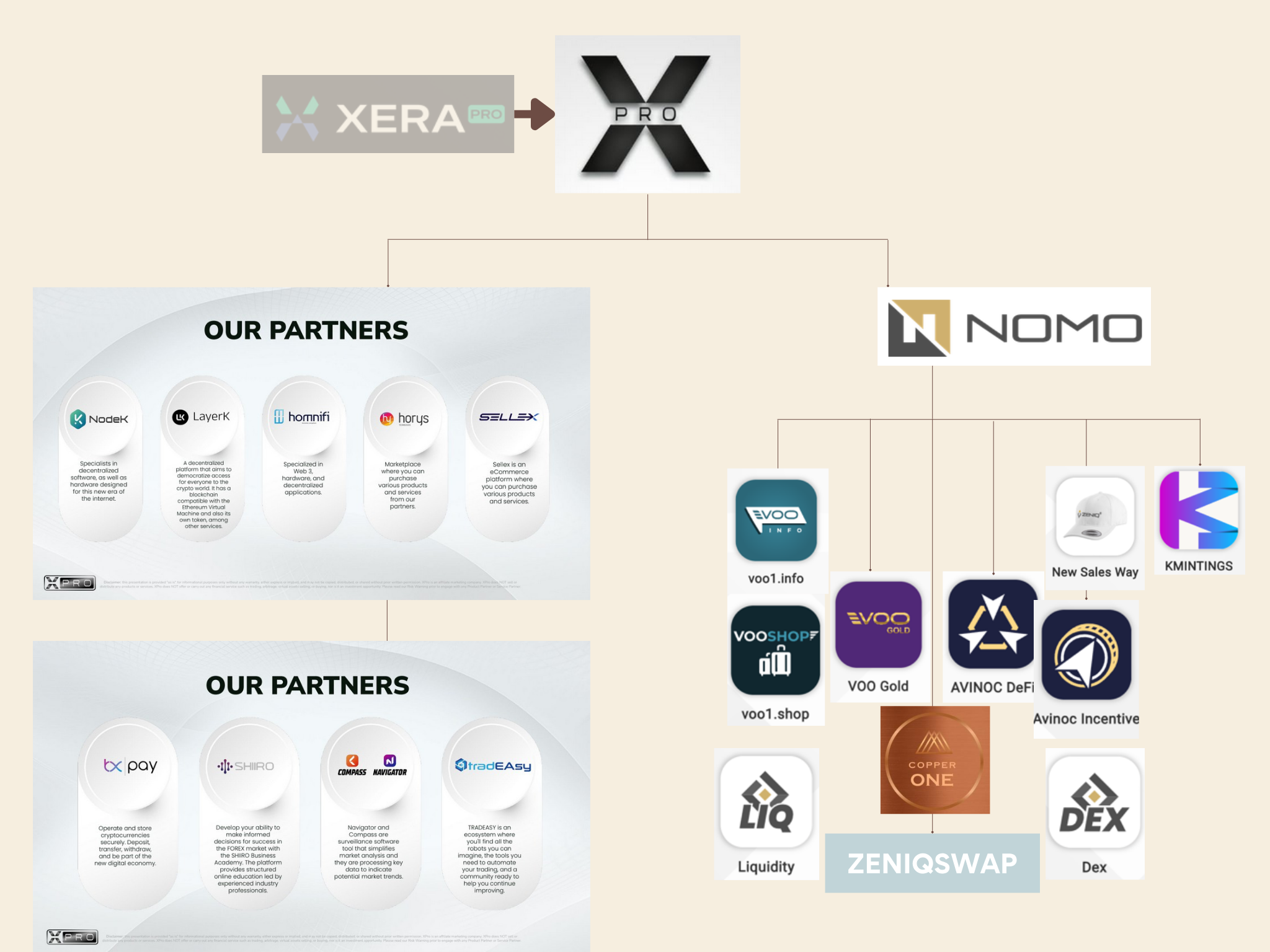
Particularly controversial: According to the plaintiffs, the case is not only about the operation of the Safir.com platform, but also about far-reaching technical and economic links to the crypto project ZENIQ. According to research, key elements of the ZENIQ ecosystem, including tokens, smart contracts and apps, are closely linked to the infrastructure of Safir.com. According to the plaintiffs, publicly available domain and blockchain data reveal overlaps, for example in hosting services, registration authorities and smart contract addresses.
Technical analyses also point to wallet addresses that are said to have been linked to accounts at Safir. In the plaintiffs’ view, this proximity raises further questions about the actual ownership and control structure, particularly with regard to the management of customer funds and token issuance.
Opposition from the other side
The individuals and companies concerned strongly reject the allegations. According to the other side, the plaintiffs were merely acting as external payment service providers. The claim that they were deliberately forced out of the project is completely unfounded. They also dispute that the service agreement was backdated.
The plaintiffs, on the other hand, criticise not only the content of the contract, but also its late submission. If the service agreement has been legally valid since June 2021, it is inexplicable why it was not submitted until October 2022. In addition, according to their statement, metadata, original documents and proof of payment that could verify the authenticity of the contract are missing.
A case with a signal effect
The case raises fundamental questions: How does the Austrian judiciary define and prosecute economic crimes in the digital financial markets? The plaintiffs urge that the allegations not be dismissed as a mere civil dispute. In their view, millions of pounds are at stake and there have been deliberate transfers of assets, with potential criminal implications.

Conclusion
If the allegations prove to be true, it could create the impression that assets were deliberately transferred through a backdated contract, possibly at the expense of the original technology owners. The continuation applicant is therefore calling for a comprehensive continuation of the investigation. He criticises the fact that key questions of evidence have remained unanswered to date.
The case is a prime example of how closely economic conflicts and criminal relevance can be intertwined in the crypto sector – and how important it is to take a close look at regulations when trust, capital and property rights are at stake.
Note
This article is intended solely for information, journalistic analysis and independent opinion-forming within the meaning of Article 5 of the German Basic Law and Section 51 of the German Copyright Act. All information is based on publicly available sources and careful research, but no guarantee can be given for its accuracy, completeness or timeliness.
The mention of companies, persons or projects is based on verifiable facts or clearly identified expressions of opinion. Publication is protected by freedom of the press; sources are subject to journalistic source protection.
Source
Technical analysis & criticism → Discusses technical and organisational overlaps between Safir, ZENIQ and successor projects such as XPRO.
· Publicly viewable smart contracts and token addresses: Entries on CoinMarketCap and blockchain explorers (e.g. BscScan) document the connections between ZENIQ tokens and wallets associated with Safir.
· Intertwining of brands & distribution: Company profiles on LinkedIn show organisational links between Safir Global, ZENIQ Technologies and associated marketing networks.
· Legal opinion: The editorial team has obtained a legal opinion.







Leave a Reply
Want to join the discussion?Feel free to contribute!