

Insolvency administrator – not an investigator, not a recovery specialist . A frequently misunderstood role!
We are currently receiving numerous inquiries regarding the insolvency of the myWorld /Lyconet structures. Many affected individuals expect that lost funds will now be actively tracked down and recovered. However, this assumption fundamentally misunderstands the actual role of the insolvency administrator: they are neither an investigator nor a recovery specialist , and certainly not a representative of individual creditors or individual lawsuits. Their sole task is to secure the available assets, examine claims, and distribute them equitably according to legal standards. It is precisely this structural framework that inevitably leads to many expectations of insolvency proceedings being disappointed in practice.
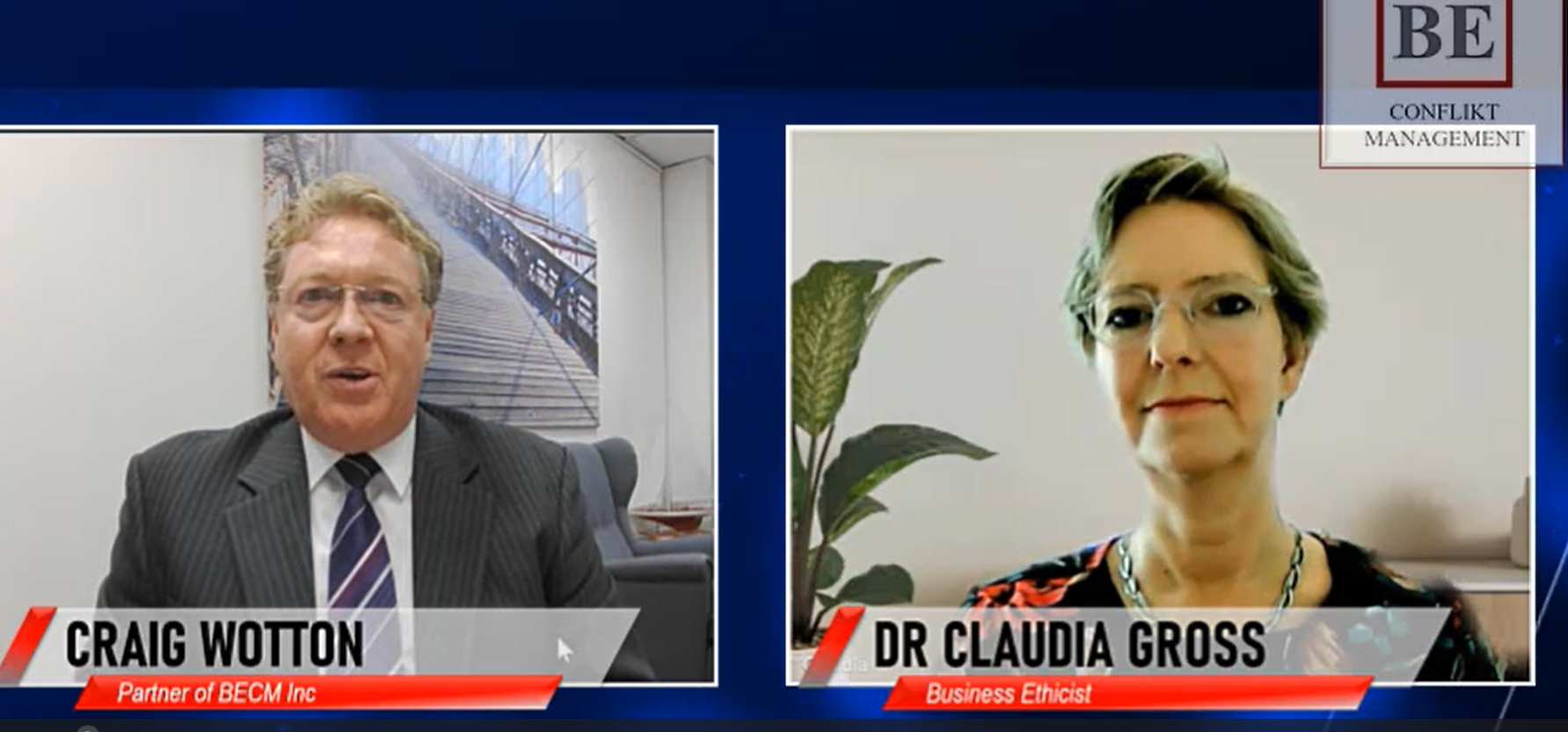
To enable a well-founded assessment, we confronted a lawyer specializing in insolvency law with a few questions:
Some of the victims who registered for insolvency proceedings have received a letter stating a “quota yet to be calculated”? Hurray, I’ll get my money back, right?
However, this interpretation is factually incorrect !
This wording simply means that (purely formally) a quota can only be calculated after all claims have been processed and examined . It makes no statement about the actual amount or feasibility of a payout . Furthermore, the recovery of individual claims is only treated as a secondary matter.
However, passing this misinterpretation on to third parties creates a dangerous impression: anyone who presents this wording as an indication of impending repayments conveys a false and ultimately grossly misleading impression of the actual situation. Furthermore, the individual claims filed will be treated as subordinate claims in the proceedings.

the insolvency of the central companies in the myWorld /Lyconet complex with an obvious expectation:
Surely at least some of the invested funds must now be recoverable and repatriable. But this expectation proves to be deceptive in practice.
The role of the insolvency administrator – often misunderstood
One key point is often overlooked:
The insolvency administrator is not an investigator, not a representative of individual victims, and not a ” recoverer ” of lost funds, but a legally bound trustee.
His task is clearly defined:
- Securing the existing insolvency assets
- Examination of the registered claims
- Distribution of available funds according to legal criteria
No more – but also no less.
Especially in complex structures like the present case, this leads to a tension between expectation and reality.

Systematic denial: a defense mechanism instead of a blockade
The fact that claims in insolvency proceedings are often disputed in a blanket or standardized manner is not an unusual occurrence, but rather part of the procedural logic.
From the administrators’ point of view, there are several reasons for this:
- The burden of proof lies with the creditor:
claims must be plausible and verifiable. This is often not the case, especially with complex structures involving changing contractual partners. - Unclear contract structures:
Payments were often made to companies other than those that are now insolvent. - Case law on the lack of contract transfer:
Supreme court decisions suggest that not every company is automatically liable for previous obligations. - Protection of scarce assets:
In cases of insolvency assets in the low six-figure range and claims amounting to millions, a generous recognition of a quota further dilutes the assets.
This is also evident in concrete terms:
In the insolvency proceedings of Lyconet Austria GmbH, claims amounting to millions were registered, while the available assets amount to only around 100,000 euros and a large part of the claims were disputed.
Why international fundraising is lacking
Even more difficult for many affected individuals to understand is why insolvency administrators do not actively try to track down assets abroad or hold those responsible accountable.
Here too, the explanation lies less in a lack of commitment than in structural limitations:
- Massive cost risks:
International proceedings require significant financial resources – for lawyers, investigations and trials in multiple jurisdictions. - Limited insolvency assets:
Even basic measures such as data backup and claims verification tie up a large portion of the available funds. - Liability risk of the administrator:
Economically hopeless or speculative lawsuits can trigger personal liability. - Legal fragmentation:
Each company is legally independent. Assets in other parts of the group are not readily accessible. - Uncertain prospects for success:
Offshore structures, shell companies and a lack of transparency significantly complicate legally sound enforcement.
The result is a sober assessment:
proceedings will only be initiated where they appear financially viable and legally sound.
Against this background, the denial should not be understood as an expression of a lack of will, but as a necessary instrument for legally correct processing.

A structural problem – not an individual failure
The current situation reveals a fundamental dilemma of internationally structured business models:
While capital flows can be organized globally, legal liability regularly remains limited to individual, locally tangible companies.
The result:
- Operating companies go bankrupt
- There is hardly any usable capital.
- Key resources are located outside of direct access.
“The insolvency proceedings show less a failure of the administrators than the structural consequence of a system that has distributed assets globally – while liability remains local.”
Conclusion
For those affected, this reality is difficult to accept.
But she explains why insolvency proceedings in cases like this often do not lead to any significant returns:
- Claims are rigorously scrutinized and often disputed.
- International asset prosecution remains the exception
- The available funds are barely sufficient for processing the case.
The actual reckoning with such systems therefore often shifts away from insolvency law – towards criminal investigations and individual liability of those responsible.
Note: This article is a journalistic analysis. It is based on publicly available information and the assessment of expert third parties and serves as a general overview. It makes no claim to completeness and does not constitute legal advice.









Leave a Reply
Want to join the discussion?Feel free to contribute!