

Cashback Universe – ‘Phoenix Company’ instead of creditor protection?
A ‘Phoenix Company’ model (also known as Phoenixing) refers to a procedure whereby a company continues its business activities under a new legal entity after insolvency or liquidation, often with the same people, the same infrastructure and the same customers, but without the old debts.
The name is derived from the mythological phoenix, which is ‘reborn from the ashes’.

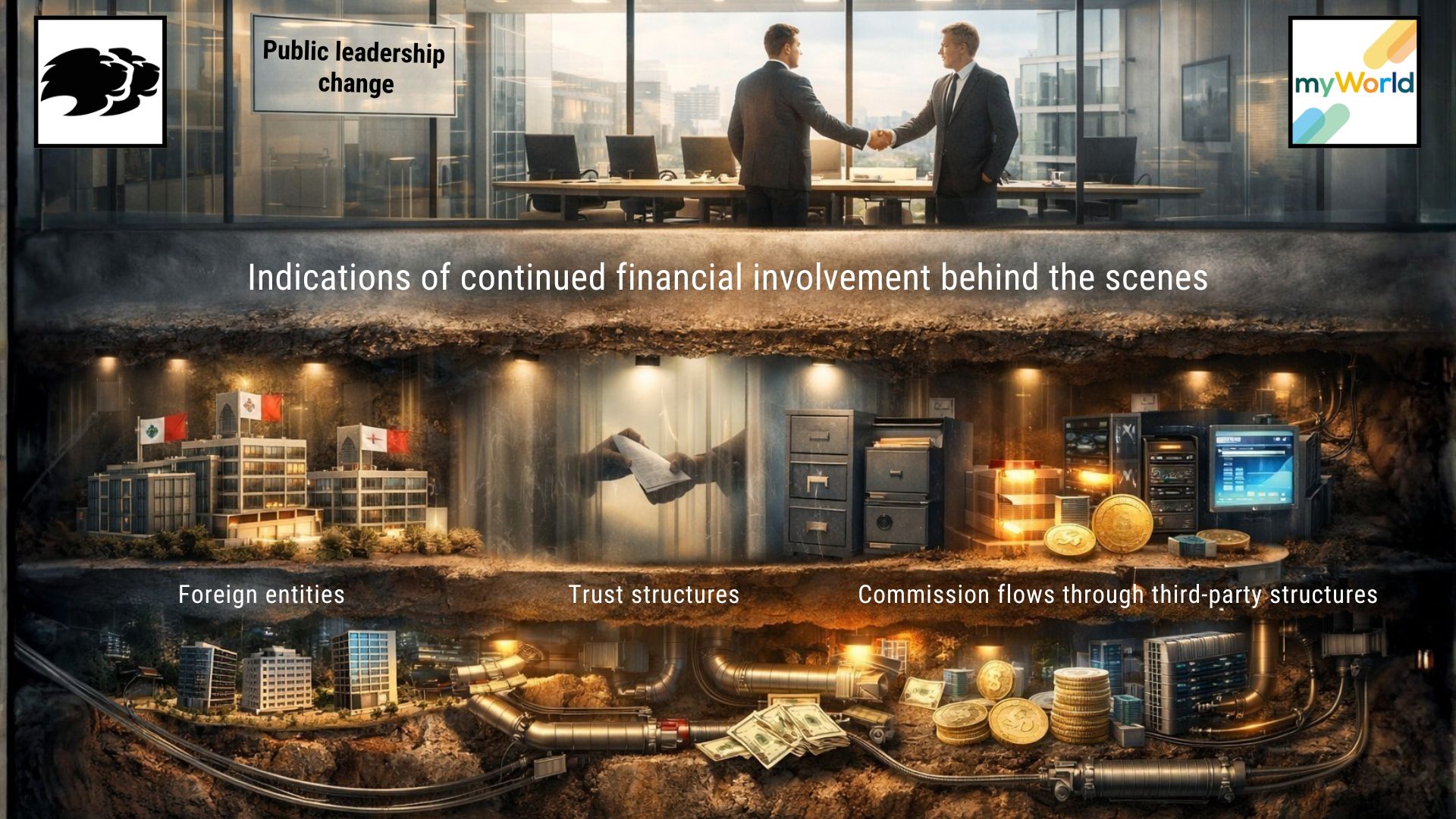
What looks like a fresh start on paper is often just a different label in practice: Many of the ‘new’ companies that are currently encouraging former customers of Lyconet or myWorld to take action are legally independent, but according to consistent statements from several affected parties, they are advertised by the same executives and presumably also controlled by them, offer similar or identical products and use comparable distribution systems as before. In such cases, lawyers speak of an economic and actual connection – and this is precisely what can have legal consequences.
Don’t forget: Cashback Universe is not a company, just a brand!
Dangerous marketing calls
According to several former customers, marketing calls have been made inviting people to join new activities in other companies, in some cases by individuals who had previously represented the old business model. During these calls, assurances were made that customer data would be transferred and that a seamless transition to the ‘new system’ would be possible.
It starts innocently enough: an email, an online call or a Telegram message stating that you should continue to make your monthly payment, but transfer it to a different account and company in future. For many former participants in direct sales and cashback programmes, this sounds harmless, like a mere administrative formality. However, according to insolvency law experts, such changes can conceal a dangerous legal minefield, especially if the original company is insolvent.
Shareholders in the legal crosshairs – and why they become a risk in insolvency
The situation is particularly delicate for those former marketers who, according to their own statements, came into possession of restricted registered shares through the alleged IPO. These are also subject to the strict prohibition on the return of contributions (Section 52 AktG AT / Section 57 AktG DE).
In insolvency, shareholders rank behind all other creditors (Section 131 IO / Section 39 InsO) and have little prospect of repayment in practice. If this ‘shareholder status’ is used in conjunction with the same persons acting to generate new payments or to make old payments outside the satisfaction fund, this may, in the opinion of legal experts, be considered a circumvention of creditor interests and a violation of capital maintenance provisions.
From customer to risk factor
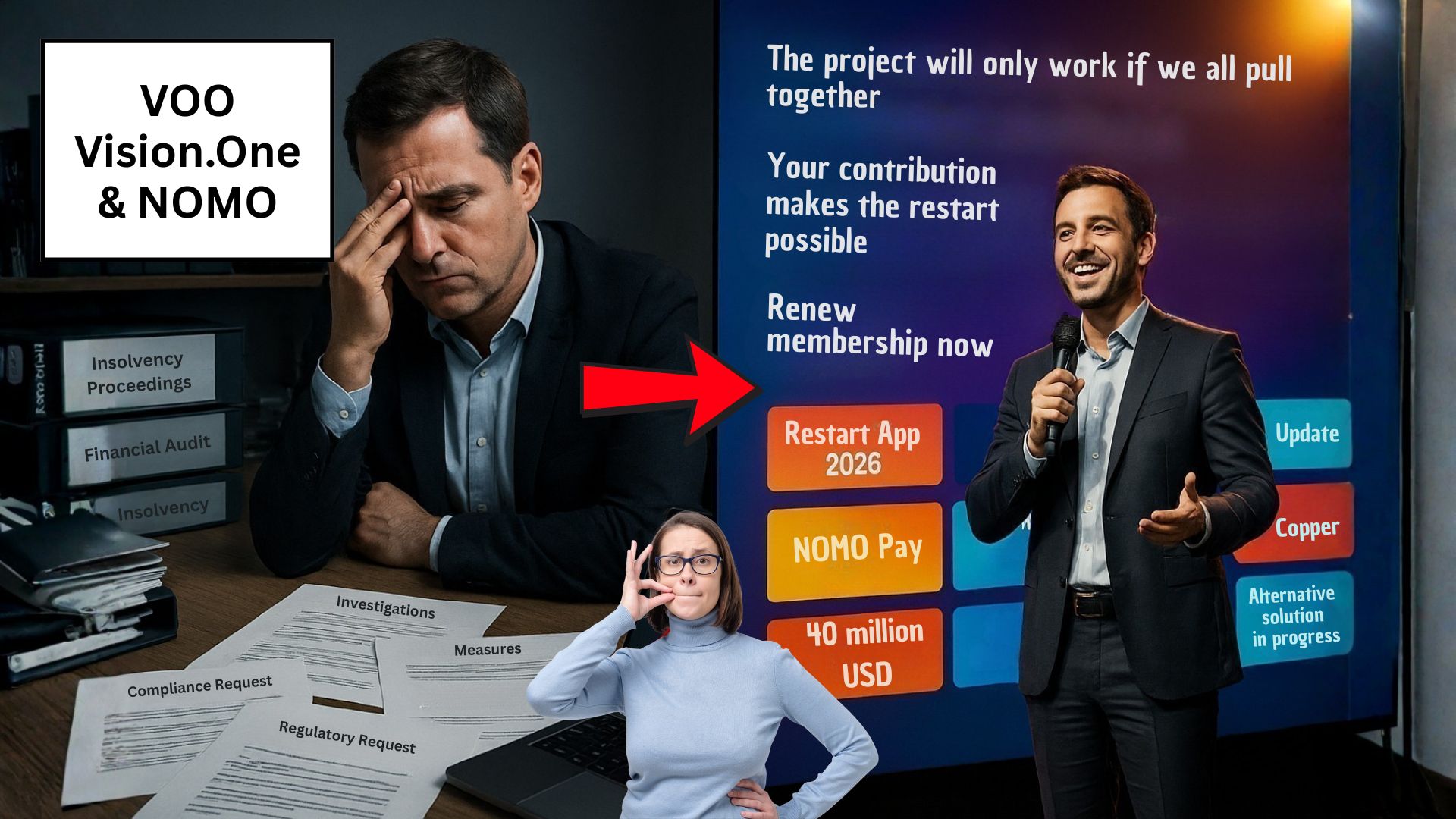
Several affected parties report that, following the restructuring of their previous contractual partner, some of whom are associated with the aforementioned structures, they have now been asked to make payments no longer to the known recipient but to another, newly founded company.
According to research by the editorial team, there are some personnel and business continuities with insolvent companies from the myWorld/Lyconet environment. According to consistent information from several participants, the monthly payments, the continuation of which was requested in a call by Hubert Freidl himself, are directly related to contracts originally concluded with the now insolvent company.
A lawyer specialising in insolvency law explained to our editorial team:
‘Anyone who pays the wrong recipient in this situation risks the claim remaining valid and having to be paid twice.’
Circumvention of the satisfaction fund
After the opening of insolvency proceedings, claims from old contracts may only be paid to the recipient designated by the insolvency administrator. These funds flow into the so-called satisfaction fund, which is part of the insolvency estate.
Lawyers point out that payments to new companies controlled by the same persons could reduce the insolvency estate. This can lead to claims for repayment and, depending on the individual case, may also be relevant under criminal law.

The ‘Phoenix Companies’ pattern
Experts see parallels in such cases with so-called ‘Phoenix companies’: business activities are continued under a new name, while the debts remain with the old, insolvent company. Personnel and operational continuity are key here, and it is precisely this circumstance that regularly brings new companies to the attention of supervisory authorities and insolvency courts, despite different commercial register entries.
The recommendation of experts
- Examine every request critically, especially if it comes from the same management or sales systems.
- Do not be misled by promises of ‘seamless contract transfer’ or similar offers.
Conclusion
A seemingly harmless account transfer or change in the context of customer poaching can quickly become a legal boomerang for former customers and those involved, especially if the same players are behind the new structures. Those who fail to protect themselves risk not only losing their money, but also facing legal consequences.
Note: This article is intended solely for information, journalistic analysis and independent opinion-forming within the meaning of Article 5 of the German Basic Law and Section 51 of the German Copyright Act (UrhG) (right to quote). All information is based on publicly available sources, official communications and careful editorial research. Despite the utmost care, we cannot guarantee the accuracy, completeness or timeliness of the information contained herein.
List of sources
- Austrian Stock Corporation Act (AktG)
- Section 52 AktG – Capital maintenance, prohibition of repayment of contributions.
- Section 62 AktG – Transfer restrictions on registered shares.
- German Stock Corporation Act (AktG)
- Section 57 AktG – Prohibition of repayment of contributions.
- Section 68 AktG – Registered shares and transfer restrictions.
- Insolvency law in Austria
- Insolvency Code (IO) – Sections 27–31 (contestability, obligation to return).
- Section 131 IO – Priority of claims.
- Insolvency law in Germany
- Insolvency Code (InsO) – Sections 129 et seq. (Insolvency contestation).
- Section 39 InsO – Subordinated claims, in particular shareholder claims.
- Company law GmbH
- Austria: Section 82 GmbHG – Prohibition on repayment of contributions.
- Germany: Section 30 GmbHG – Capital maintenance.
- Company and commercial register
- Cashback Universe Inc. – Founded on 21 April 2025, Delaware/USA (Delaware Division of Corporations, Entity File No. 10168590.
- Company register extract for myWorld International AG and Lyconet International AG, Republic of Austria.
- Research and background reports
- Interviews with affected parties and former marketers (2025, anonymised).
- Legal expert information
- Statement by a lawyer specialising in insolvency law, July 2025 (name known to the editors).
- Assessment by an insolvency administrator on circumvention of the satisfaction fund, July 2025 (name known to the editors).






Leave a Reply
Want to join the discussion?Feel free to contribute!