
Lyconet/myWorld insolvency – Why the official explanation provided by management cannot be correct
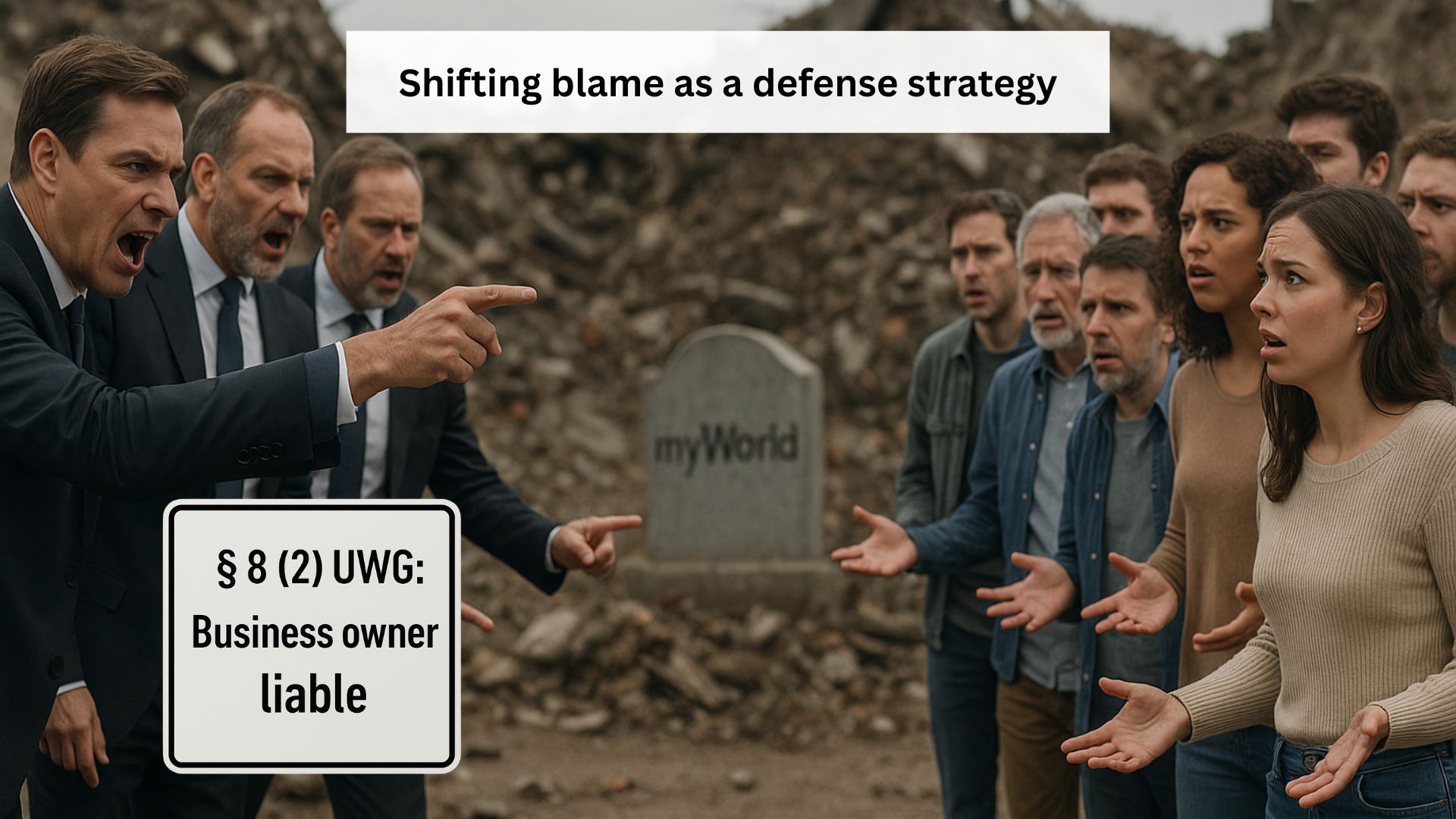
The insolvency of myWorld International AG was explained in the official statements as being due, among other things, to a ‘decline in purchasing behaviour during the coronavirus pandemic.’ Before the public prosecutor’s office, the defence also pointed to an alleged lack of understanding on the part of the company’s own marketers.
For many sales partners, this explanation seems contradictory: especially at a time when online shopping and digital services have grown significantly, the explanation seems unconvincing and suggests that responsibility is being shifted.
The official statement:
‘The insolvency is due to declining purchasing behaviour during the coronavirus pandemic.’
‘Many problems arose due to a lack of understanding and misconduct on the part of individual marketers.’
This explanation alone suggests that responsibility is being sought not in the company’s management, but in external circumstances and sales partners.
Market data tells a different story
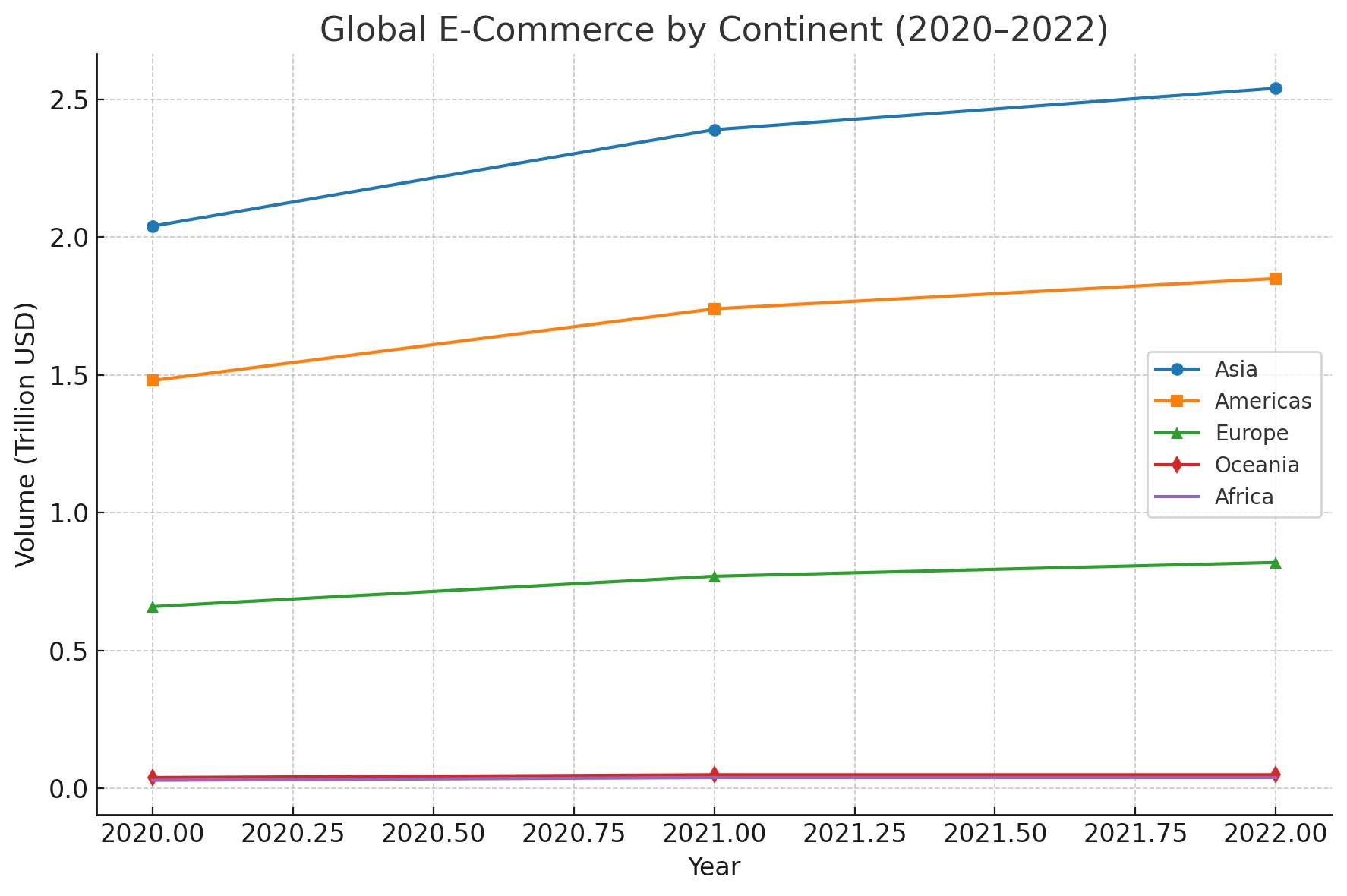
The thesis of ‘declining purchasing behaviour’ is hardly tenable in view of global trends. While Amazon & Co. posted record profits, myWorld failed and is now placing the responsibility on those who supported the system.
The real sticking point: a lack of new marketers
It is more likely that the ‘decline’ affected not so much end customer sales as the influx of new, paying marketers.
The business model was dependent on continuous recruitment. As soon as this stream finally dried up, the structure collapsed – regardless of consumer trends.
The reversal of blame: excerpts from Freidl’s statement
‘It is the marketers’ own responsibility how they present the business model to the outside world.’
‘Many problems did not arise from the corporate structure, but from the behaviour of individual marketers.’
‘The company never gave any guarantees; if such promises were nevertheless made, they came exclusively from marketers.’
Pattern recognisable: Structural causes are ignored and the blame is systematically shifted to the sales partners.
Legal reality check (Section 8 (2) UWG)
‘If infringements are committed by an agent, the entrepreneur is liable as if for his own actions.’
BGH, I ZR 27/22 (2023): The actions of affiliates and commercial agents are also attributable.
Consequence: Even if individual marketers made exaggerated promises, the company management remains legally responsible.
Conclusion: Three points to remember
- ✔️ Online retail boomed – the ‘pandemic’ excuse doesn’t hold water.
- ✔️ More likely reason: loss of new paying marketers.
- ✔️ Shifting the blame to sales partners is hardly legally tenable.
Note / Legal This article is intended for information, journalistic analysis and independent opinion-forming within the meaning of Art. 5 GG (German Basic Law) and Art. 10 ECHR. Quotes are taken from internal documents of the myWorld Group; reproduction is in accordance with § 51 UrhG (German Copyright Act) (right to quote). All information is based on publicly available sources, official communications and editorial review. This article does not replace a final legal assessment.
Sources:
eMarketer: Global E-Commerce Update 2021. Link (accessed: 22 August 2025).
Oberlo: Amazon Sales Growth Statistics 2023. Link; Wikipedia: Amazon (company). Link (accessed on 22 August 2025).
Wikipedia: Economic impact of the COVID-19 pandemic. Link (accessed on 22 August 2025).
Omsels, Beauftragtenhaftung, § 8 Abs. 2 UWG. Link (accessed on 22 August 2025).
BGH, judgment of 26 January 2023 – I ZR 27/22. dejure.org (accessed on 22 August 2025).
Federal Court of Justice: Press release No. 018/2023, Affiliate liability. Link (accessed on 22 August 2025).

Leave a Reply
Want to join the discussion?Feel free to contribute!